🖥️ The Heavyweights: Top PC Strategy Simulations
If you want long-form strategy, you want PC strategy simulations. These RTS war games are built around patience, timing,
and the kind of decisions that keep echoing after the match ends.
Company of Heroes 3
This is tactical depth at street level: cover, suppression, flanks, and the ugly surprise of destructible environments.
Your “safe” building stops being safe, your line shifts, and you adapt or lose the sector.
Historical accuracy here is more about feel and friction than a museum checklist: momentum, positioning, and mistakes you cannot rewind.
Hearts of Iron IV
Map control, not firefights. You fight with production, supply, doctrine, and timing.
The front line looks calm right up until logistics collapse and half your plan turns into dead weight.
This is the “staff officer” side of WWII: long turns, heavy planning, and consequences that roll across continents.
Strategy games like Company of Heroes and Hearts of Iron reward players who want the long war: commit time, learn systems, command patiently.
⚔️ Tactical Slots for Quick Action
Not every general has hours to command a front line. Sometimes you want the adrenaline of the front line in short bursts.
This is where WWII themed slots for history buffs start to look less like pure chance and more like compact, high-pressure encounters.
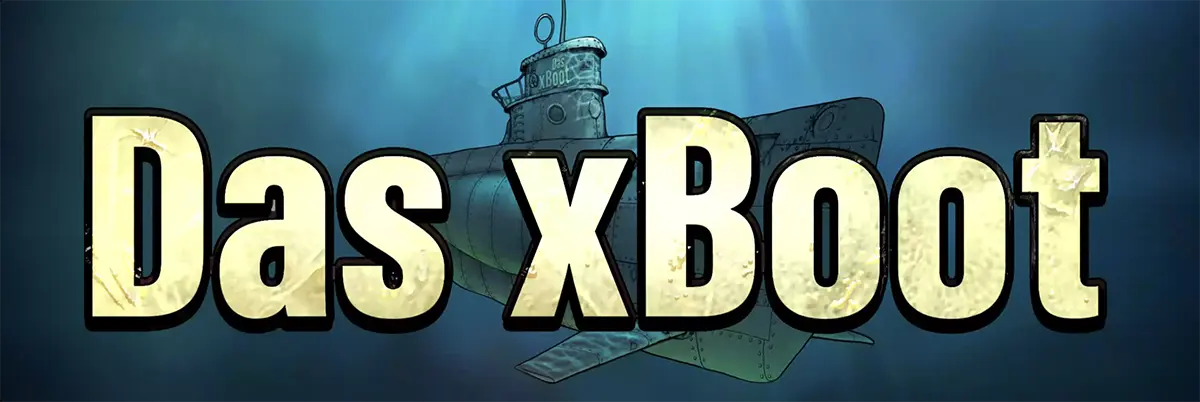
🎯 Das xBoot (Nolimit City)
This one leans hard into submarine warfare. Dark visuals, narrow sightlines, and a constant sense that you are being hunted.
It takes cues from classic U-boat cinema and frames the action through periscope targeting rather than spinning symbols.
- Periscope Wilds: targets appear through a scope, and confirmed hits bring multipliers.
- Torpedo Launch: bonus rounds play out as attack runs against enemy ships.
- Tactical angle: feels closer to a submarine warfare simulation than a reel game.
Best WWII submarine slot energy, built around high volatility strategy game tension and Das xBoot bonus features.
✈️ 1942 Sky Warrior (Red Tiger Gaming)
This is the aviation side of the war, brighter and faster. Think of it as a compressed dogfight rather than a slow campaign.
The pace feels closer to arcade air combat than naval cat-and-mouse.
- Symbol upgrades: Wild wins promote your pilots and planes into higher-value units.
- Dogfight rhythm: rapid cycles, short bursts, and constant visual escalation.
- Tactical angle: reads like managing momentum rather than positioning.
Keywords for this block: WWII aviation slot, 1942 Sky Warrior review, airplane combat betting game.
🚀 F777 Fighter (Onlyplay) – Crash Game
This is not a slot at all. It is a military crash game built around timing and discipline.
You track a fighter jet climbing, and you decide when to eject before it gets shot down.
- Eject mechanic: cash out before the aircraft is destroyed.
- Refueling bonus: mid-air refuel can extend the climb and increase multipliers.
- Tactical angle: test of nerves, closer to sniper discipline than probability math.
Keywords for this block: Military crash game, F777 fighter strategy, instant win war games, bet on jet crash.
🌫️ The Fog of War – Why Strategists Play Slots
People call RNG “luck” like it’s a dirty word. Strategy gamers already live with it. Tabletop wars, percentage shots, bad rolls at the worst time.
RNG in strategy games is just the dice wearing a digital uniform.
🎲 RNG Is Just Digital Dice
Axis & Allies, Risk, even XCOM, everyone knows the moment: you did the planning, you set the angle, and then the combat resolution decides your day.
Slots strip away the movement phase and stare straight into that one moment. No marching. No posturing. Just outcomes.
🧭 Volatility = Mission Profile
Slot volatility explained in plain terms: you’re choosing the kind of operation you’re willing to run.
High volatility titles like Das xBoot play like a Special Ops mission, high risk of failure, but a successful hit can swing the whole session.
Low volatility feels closer to a frontline advance, steady contact, smaller wins, and less emotional whiplash.
Call it high variance gaming if you want the technical label. Mission profile is the human one.
📦 Bankroll Management = Logistics
You cannot steer the RNG. You can steer the deployment. That’s the whole trick.
A good general doesn’t waste ammo. A smart player sets a budget, picks a volatility that matches the mission,
and knows when to retreat before the supplies turn into panic spending.
- Budget: define it before you start, treat it like fuel, not emotion.
- Volatility choice: match the game to the session length, not your mood.
- Retreat rule: when the plan is gone, stop. Do not “chase” like it’s a wounded target.
That’s bankroll management strategy in one sentence: control what you can, ignore what you can’t, stay disciplined.
If you already respect RNG in strategy games, this pivot makes sense. You’re not abandoning tactics, you’re compressing them.
🧾 FAQ: Mission Intelligence
Tap a question to open the briefing.
▶ Are there any World War 2 games where I can play for real stakes?
Yes, but not on the PC strategy side. Titles like Company of Heroes are strictly competitive or solo experiences.
Real-stakes formats live in tactical slots, where games such as Das xBoot and 1942 Sky Warrior combine military presentation
with regulated betting mechanics.
▶ Is there any strategy involved in military slots?
You cannot command outcomes like in an RTS, but you do control logistics and intel.
Budget size, session length, and volatility choice shape how long you stay in the fight and how sharp the swings feel.
That is where discipline replaces micro-management.
▶ Which WWII slot feels closest to real combat tension?
Das xBoot is the most restrained and serious in tone.
Periscope targeting, sonar pings, and narrow lighting give it a patrol-mission feel rather than arcade spectacle.
▶ Are there military games focused on aviation instead of naval combat?
Yes. 1942 Sky Warrior centers on pilots and aircraft progression.
Visual upgrades and rapid engagement cycles give it the rhythm of repeated dogfights rather than drawn-out patrols.
▶ What if I dislike reels and symbols altogether?
Crash-style war games like F777 Fighter skip reels entirely.
You track a jet’s climb and choose when to eject before destruction.
It is timing and nerve, nothing decorative.
▶ Do military-themed games use different RNG systems?
No. The theme affects presentation, not probability.
Certified providers use identical RNG certification across all titles.
▶ Why do strategy players even touch short-session formats?
Long campaigns drain attention and time.
Short tactical formats compress tension into minutes.
Same instincts, different battlefield.
🏁 Choose Your Battlefield
The digital front line has changed. The format is different, the pacing is different, but the pressure still feels familiar.
If you have four hours to dedicate to a campaign, PC strategy simulations still sit at the top of the food chain.
Big maps, deep tactical layers, and the slow satisfaction of out-planning an opponent. That is the long war.
But when you do not have time to manage an entire army and you just want the adrenaline of the strike,
the new wave of military themed slots becomes a different kind of battlefield.
Less micromanagement, more immediate consequence. The sound of cannon, the tension of contact, the result arriving fast.
Whether you are commanding a tank division on PC or hunting for the maximum multiplier on Das xBoot,
the goal is the same: assess the risk, make your move, and secure the win.