⚓ WWII Arsenal
🎲 Risk Profiles
Top 5 Military-Themed Slots for the Tactical Mind: A Strategic Review
Most slot machines chase noise and color. This tactical tier plays it different. Dark steel, disciplined pacing, mechanics that feel closer to battlefield decisions than carnival loops. This military themed slots review ranks titles by mission risk, mechanical depth, and how convincing the war atmosphere really is.
Ranking method: not just visuals. Each game is evaluated by mission risk profile (volatility), tactical mechanics, and return on engagement. The goal is not spectacle. It is pressure, timing, and consequence.
🎯 The Slot Machine as a Battlefield
Most slot machines are built for casual clicks, bright loops, and fast distraction. That style works for some people. It does nothing for strategy enthusiasts who like tension, structure, and consequences that feel earned.
This military themed slots review focuses on what we call the Tactical Tier. These are not built around candy symbols and cartoon mascots. They lean into historical battle atmosphere, heavy machinery, disciplined sound design, and mission-style mechanics that feel closer to tactical gaming than casual play.
Ranking them is not about which game looks loudest on the screen. We score by two field metrics: Mission Risk, how volatile the payouts are, and Tactical Features, meaning mechanics that simulate pressure, timing, or progression instead of pure repetition.
Some players want long dry spells with rare heavy hits. Others want steadier engagement and constant movement. Both are valid missions. The only mistake is deploying without knowing which battlefield you just walked into.
⚓ The Heavy Hitter: Das xBoot (Nolimit City)
This is the closest thing to submarine warfare you will find in a casino interface. Dark corridors, sonar pings, metal creaking under pressure. No heroic color palette, no parade music. Just patrol tension.
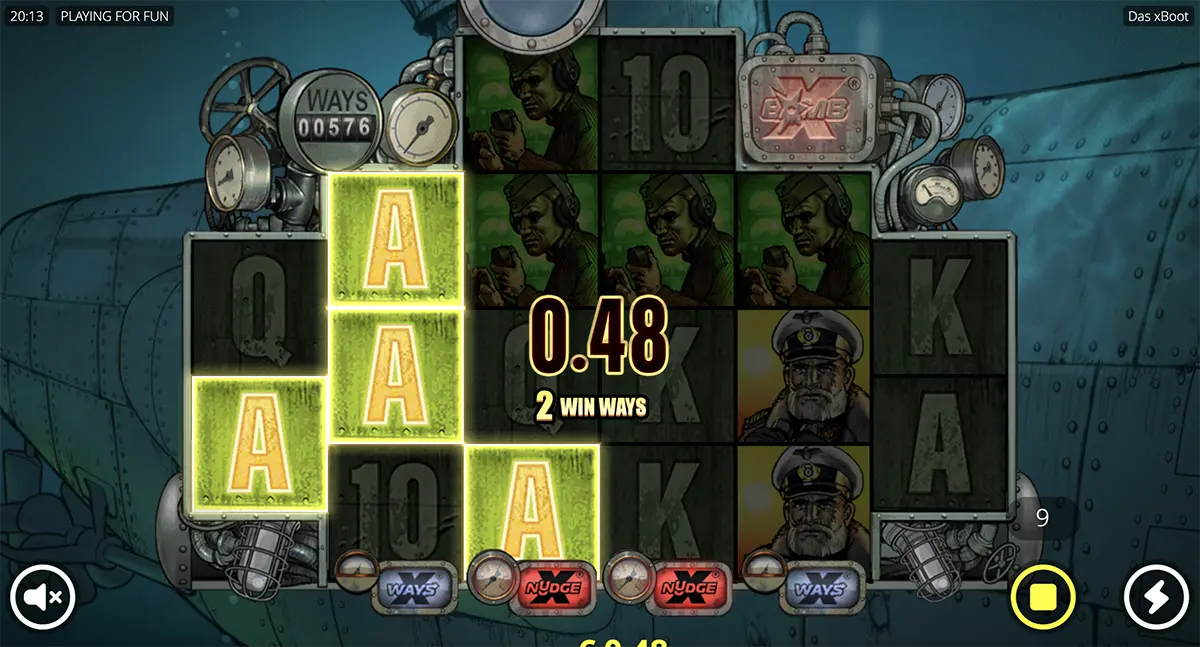
The entire layout is built around submarine warfare. The camera feels tight. Symbols sit behind misted glass. Even idle moments carry that slow, uncomfortable waiting that patrol crews described in the real North Atlantic routes. The influence of the 1981 film is obvious, not in branding, but in pacing and mood.
Core play revolves around the Periscope Wild system. Instead of static multipliers, you are visually locked into a targeting sequence. If the scope lines up and hits enemy ships, multipliers stack. It feels closer to firing solutions than to decorative animation. You aim, the game resolves, the damage is either there or it is not.
Then comes the xBomb mechanic. Think depth charge. The grid clears, chains reset, and fresh symbols drop into active lines. When it triggers during stacked multipliers, outcomes escalate fast. That is where the high volatility strategy becomes obvious. Sessions are quiet, then violent, then quiet again.
Mission risk is extreme. Dry stretches are normal. When players talk about Das xBoot slot features, they are usually talking about patience. This is not built for short bursts unless you accept that most missions end without contact.
There is also a Bonus Buy option, framed here as calling in immediate reinforcements. You skip the slow patrol phase and deploy straight into combat features. It costs more upfront, but removes the waiting cycle. For players who hate base-game grind, this becomes the primary way to engage the slot.
Tactical Summary: Best WWII submarine slot for players who accept long silence in exchange for rare, heavy engagements. Not forgiving. Very focused. Built for nerves, not comfort.
🛡️ The Historical Strategist: Poltava (ELK Studios)
This one speaks to players who like formations, not firefights. Flags, regiments, slow advances. The mood is closer to tabletop war rooms than cockpit chaos.
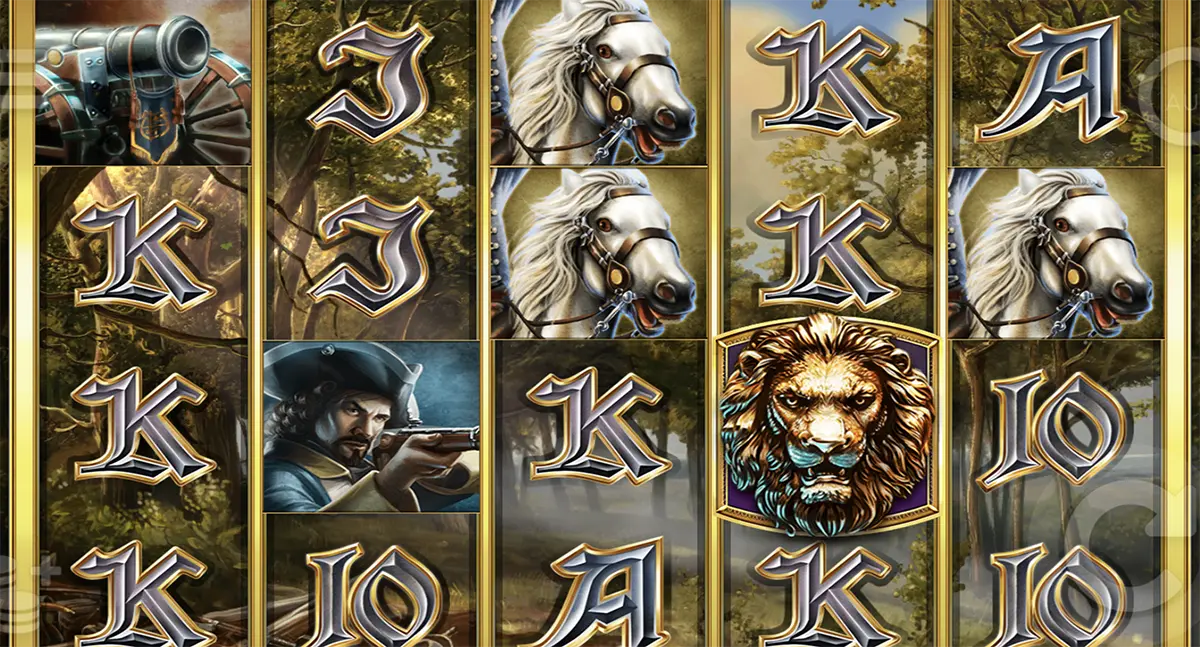
The defining feature here is the Marching Reels mechanic. Instead of static columns, entire units move across the screen. Infantry advances, cavalry sweeps through, artillery locks positions behind them. Lines shift, not just symbols.
That movement creates something unusual for a slot. It feels like maneuver. Similar to sliding pieces across a Risk board or setting up lines in Axis & Allies, you watch formations align, then the engagement resolves. It is slower, more deliberate, and easier to read than rapid-fire reels.
Visually, the tone leans into historical war games. Regimental banners, muted terrain, period uniforms. It is not gritty, but it respects structure. You can tell what each symbol represents without needing flashing highlights or oversized multipliers.
Mission risk sits in the medium-high zone. There are winning sequences more often than in submarine warfare slots, but the larger outcomes still depend on full formation alignments. This suits players who want engagement without the long silent patrols of extreme volatility games.
Tactical Summary: Best fit for history buffs and board-game players who enjoy seeing lines form and shift before impact. Less chaos, more structure, steady pressure.
✈️ The Aerial Ace: 1942 Sky Warrior (Red Tiger)
This one is built for players who want movement. Less waiting. More contact. The rhythm feels like repeated sorties where every pass matters.
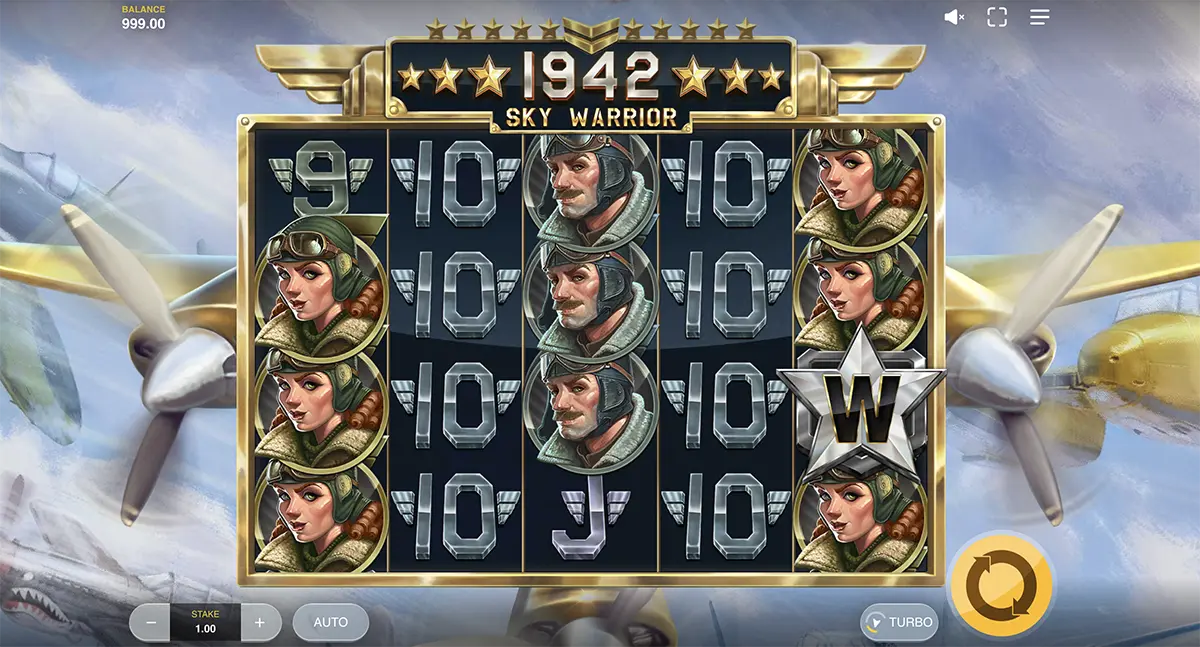
Among WWII aviation slots, this one leans into pace and clarity. It is not trying to trap you in gloom. It is closer to an airfield briefing, then straight into action. Symbols are readable, effects are clean, and the whole thing moves like a dogfight, quick engagements, quick outcomes, repeat.
The core hook is the Feature Upgrade. When a Wild pilot is part of a win, the game upgrades symbols into higher-value aircraft. It is a simple idea, but it changes the feel. You are not just collecting lines, you are pushing your squadron forward, turning basic units into something with teeth.
That upgrade loop is basically “earning your stripes.” Aces prove themselves, then the payload improves. You feel the promotion in the field. Better planes, better potential, and a stronger chance that the next engagement lands harder than the last.
Mission risk sits in the medium zone. That matters for session planning. You get more regular contact than extreme volatility games, but you still need enough runway for upgrades to stack. Short sessions can work. Longer sessions let the ace pilot features show their full value.
Tactical Summary: The dogfight pick. Fast pacing, visible progression, and upgrades that feel like field promotion rather than random decoration.
🚢 The Naval Commander: Battleship Direct Hit! (SG Digital)
This one leans fully into deck command. Gun turrets, radar screens, steel rails in the foreground. It feels like issuing orders from the bridge while the fleet trades fire.
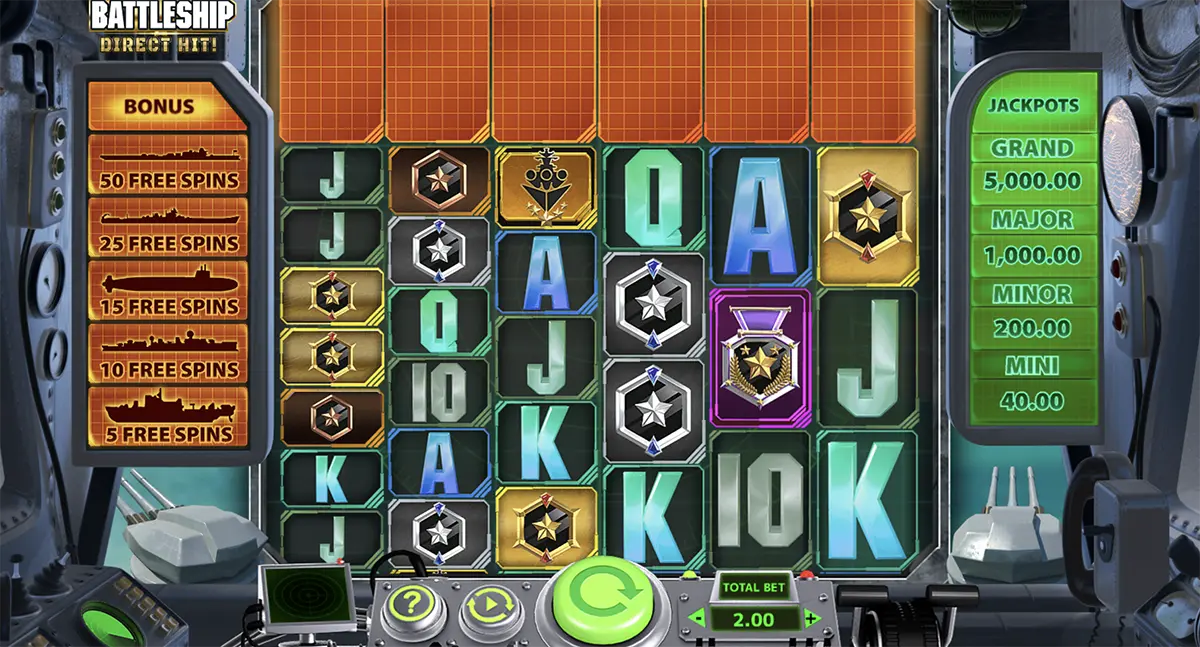
Among battleship casino games, this is the one that actually looks and behaves like naval combat. The interface frames the reels like targeting screens, with deck elements layered on top. You are not watching abstract columns. You are watching a firing solution play out.
Mechanically, it runs on official Megaways mechanics. That means reel heights shift constantly, producing thousands of possible line paths. Outcomes feel chaotic in the same way fleet engagements do. You cannot predict where the next opening appears, only react when it does.
The standout feature is Turret Fire. Cannons blast low-value symbols off the grid and replace them with heavier targets. Visually it reads as suppressive fire. Mechanically it increases payout density. You watch weak positions get wiped and stronger formations take their place.
Mission risk is high. Megaways titles are known for swingy sessions. Long quiet stretches, then sudden cascades when multiple features chain together. It suits players who like unstable engagements and do not expect steady progress.
Tactical Summary: Bridge-command view, aggressive symbol clearing, and volatile Megaways swings. Feels like managing firepower, not watching patterns.
🎖️ The Veteran: Major Millions (Microgaming)
Old-school army styling, simple rules, and a single obsession: the big score. This is a classic piece of casino history that still drags strategy-minded players back in for one reason only.
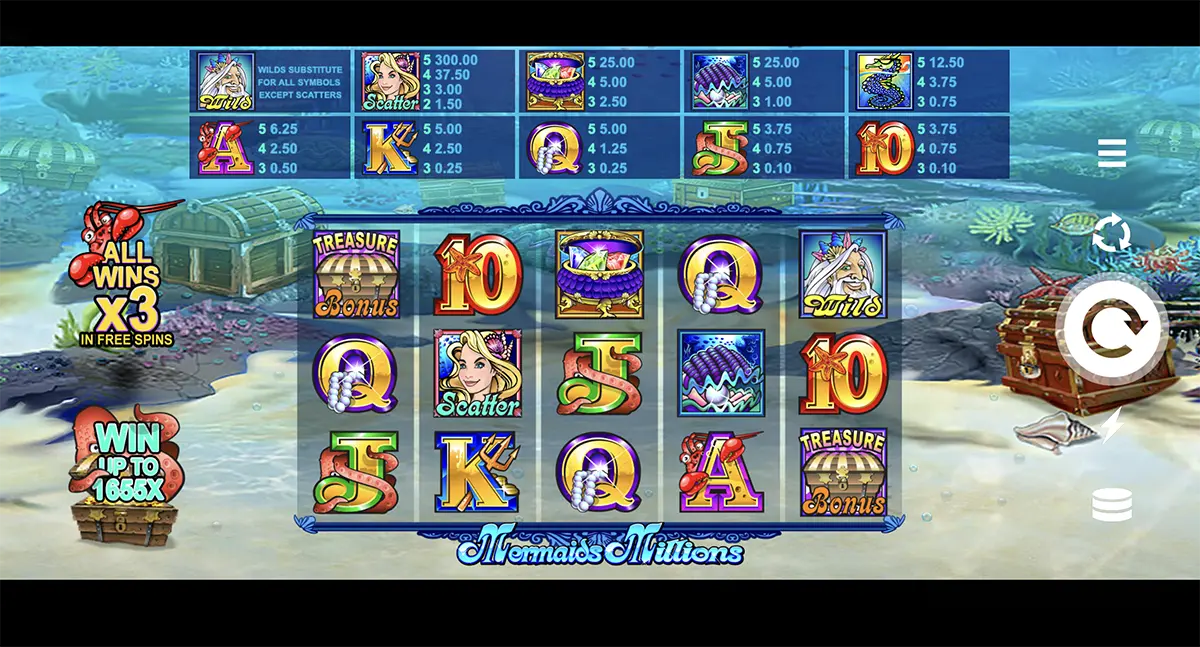
Visually, it is retro. No shame in it. It looks like a 1940s propaganda poster turned into a cabinet front, bold blocks, simple iconography, that “recruitment wall” vibe. Compared to modern cinematic titles, it can feel dated. That is part of the identity.
Gameplay itself is low risk in the moment. You are not dealing with deep bonus buy menus or stacked systems that demand perfect timing. It is straightforward, steady, and easy to read. That makes it one of the more accessible classic army slots for people who want minimal mental overhead.
Then you remember why it still matters: the Major Millions progressive jackpot. That is the extreme part of the mission profile. Most sessions will never touch it. That is the point. The jackpot is the “Medal of Honor” of this category, rare, almost mythical, but the reason people keep putting boots on the ground.
If you are building a tactical library, this fills a specific role. Modern titles deliver atmosphere and mechanics. Major Millions delivers the old promise: one clean objective, one oversized prize, and the long wait that comes with chasing it.
Tactical Summary: Low-complexity gameplay with an extreme upside target. Vintage military aesthetic, simple cycles, and a progressive objective that keeps veterans returning.
📡 Briefing Room: Where to Play
You do not deploy without checking the terrain. Secure deployment matters as much as game choice. These two platforms fit different tactical priorities.
🎯 The Multiplayer Battlefield: Videoslots
This platform leans into competition. Their internal tournament system, known as “Battle of Slots,” turns solo sessions into lobby-style skirmishes where players rank against each other over fixed missions.
Game coverage is massive, which matters when you are hunting for niche military titles. Battleship Direct Hit, Poltava, aviation slots, older classics, all tend to be available without waiting for regional rollouts.
Best fit for strategy players who enjoy tournament pressure and head-to-head scoring instead of isolated play.
⚡ The Rapid Deployment Hub: BitStarz
Speed is the defining trait here. Sessions resolve, and funds move out fast. For tactical players, this is rapid extraction: mission complete, resources secured, no extended holding pattern.
They prominently host high-volatility titles from Nolimit City and ELK Studios, which means Das xBoot and Poltava are usually front-and-center, not buried behind casual releases.
Best fit for players who prioritize fast cashouts and direct access to high-risk tactical formats.
Different terrain, different tactics. Choose the platform that matches your mission profile, not just the game list.
🧠 FAQ: Tactical Analysis
Short answers, field-tested logic, no casino jargon.
▶ What does “high volatility” mean in military-themed slots?
Think of it as a sniper mission. Long periods with no meaningful contact, then a single engagement that can change the entire outcome of the session. Games like Das xBoot are built around that profile. Quiet patrol, sudden impact.
▶ Can I actually use strategy when playing slots?
You cannot steer outcomes, but you control deployment. Budget size, session length, and game choice matter. Playing Poltava with its formation mechanics favors longer sessions with steadier pacing. Chasing a progressive jackpot like Major Millions is a different financial posture entirely.
▶ Which game has the strongest Bonus Buy mechanics?
Das xBoot offers the most developed bonus purchase structure. You can jump directly into “Wolf Pack” style combat features instead of waiting through base play. It trades time for cost, useful for players who prefer immediate engagement over slow buildup.
▶ Are Megaways military slots harder to manage?
They are less predictable. Megaways mechanics constantly change reel layouts, so streaks can appear or vanish without warning. Battleship Direct Hit uses this volatility to simulate chaotic naval engagements, but it also means bankroll swings can be sharp.
▶ Are these games more about visuals or mechanics?
Both matter, but mechanics decide how a session feels. Poltava’s marching reels create formation logic. 1942 Sky Warrior builds progression through pilot upgrades. Das xBoot compresses everything into extreme spikes. Visuals set mood, systems set behavior.
▶ Which slot fits short sessions best?
1942 Sky Warrior adapts well to shorter deployments because upgrades happen quickly and features trigger more frequently. Extreme volatility titles demand longer exposure if you want their mechanics to fully cycle.